
苍天有泪
泉城志愿服务基金会联合舜泰检测集团向彩石优秀学子颁发奖学金_我的网站

A |
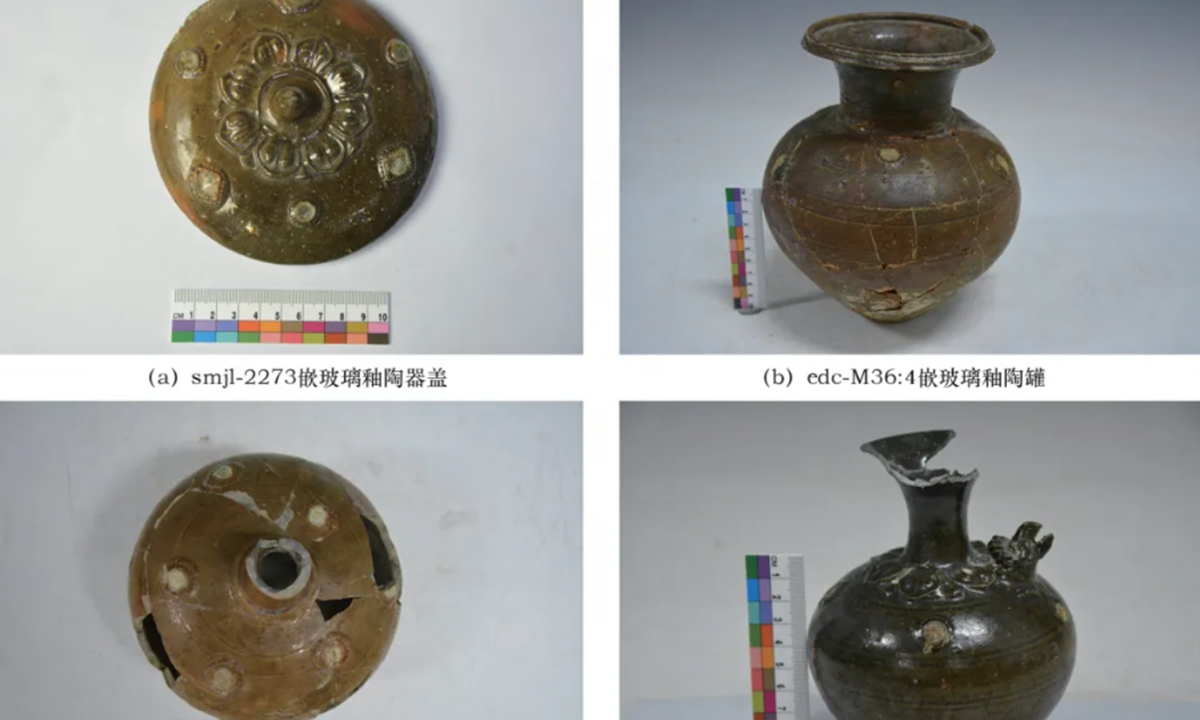
Systematic analysis conducted by the institute of pottery wares dating back to the Pingcheng period of the Northern Wei Dynasty (386-534) has identified distinct foreign cultural and technological elements embedded in the craftsmanship and material composition of the unique artifacts, shedding fresh light on ancient Eurasian cultural integration.
Established by the Tuoba Xianbei ethnic group, the Northern Wei Dynasty designated Pingcheng, present-day Datong city in Shanxi Province, as its capital from 398 to 494. For nearly a century, the city served as a pivotal multicultural hub where Xianbei nomadic culture, Central Plains Han culture and diverse Western Regions civilizations converged and interacted, according to a report on Chinanews.com.cn.
Archaeological excavations at multiple tomb clusters in Pingcheng, including the Dongxin Northern Wei cemetery and the Qilicun cemetery, have yielded a total of eight pieces of glass-inlaid glazed pottery. Though far fewer in number compared with common glazed pottery figurines and painted glazed wares, these artifacts feature an extremely rare inlay technique unseen elsewhere in the developmental history of Chinese ceramics, according to the press release.
Given the exceptional rarity and good preservation of the relics, researchers selected four representative pieces for comprehensive laboratory testing and material analysis. The results show that the glass inlays are primarily soda-alumina glass, most likely produced by remelting trade beads from the Indian Ocean and Pacific regions, a key commodity in ancient maritime and overland trade networks.
The findings confirm that Pingcheng maintained frequent cross-border trade and cultural communication during the Northern Wei era, with access to glass raw materials sourced from diverse overseas regions. The varied compositional characteristics of the inlaid glass provide crucial clues for studying ancient glass-making technologies, raw material circulation and long-distance trade routes in ancient East Asia, the press release noted.
Beyond material composition, the artifacts also embody prominent cross-cultural innovation in design. Their decorative motifs draw heavily on gem-encrusted gold and silver wares of the Sasanian Persian Empire, while integrating artistic elements from other Eurasian regions. The blended design styles reflect the era's prevailing trend of multicultural fusion and creative assimilation of foreign civilizations.
Archaeologists noted that the glass-inlaid glazed pottery represents an innovative technological achievement crafted by Northern Wei artisans who absorbed and refined foreign techniques and aesthetics. The distinctive craftsmanship and stylistic features of these wares exerted a far-reaching influence on ceramic production in surrounding regions and subsequent dynasties, marking a vital chapter in the evolution of ancient Chinese ceramic art.
The research underscores that ancient China's northern borderland was not an isolated cultural enclave, but an active node in Eurasian cultural and trade exchanges, where foreign elements were localized and innovated to form unique regional civilizational achievements, archaeologists from the Shanxi Provincial Institute of Archaeology said.
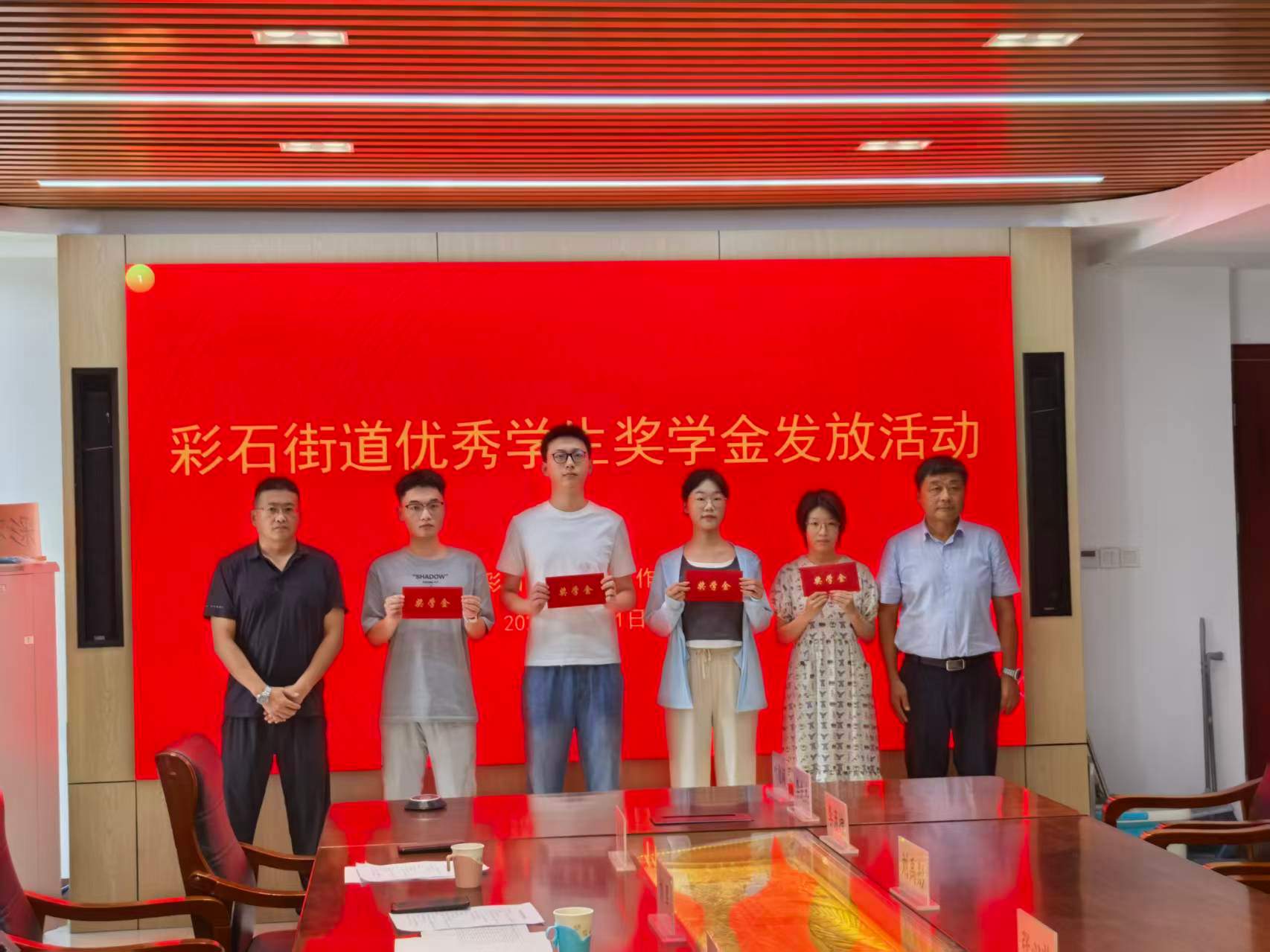
。 8月21日下午,山东省泉城志愿服务基金会携手舜泰检测集团向彩石街道9名被985、211高校录取的优秀学子发放3000元奖学金。活动在彩石街道办事处党校会议室举行,舜泰检测集团工会主席张莹莹作为捐赠方代表出席,彩石街道相关负责同志及受表彰学生共同参加。
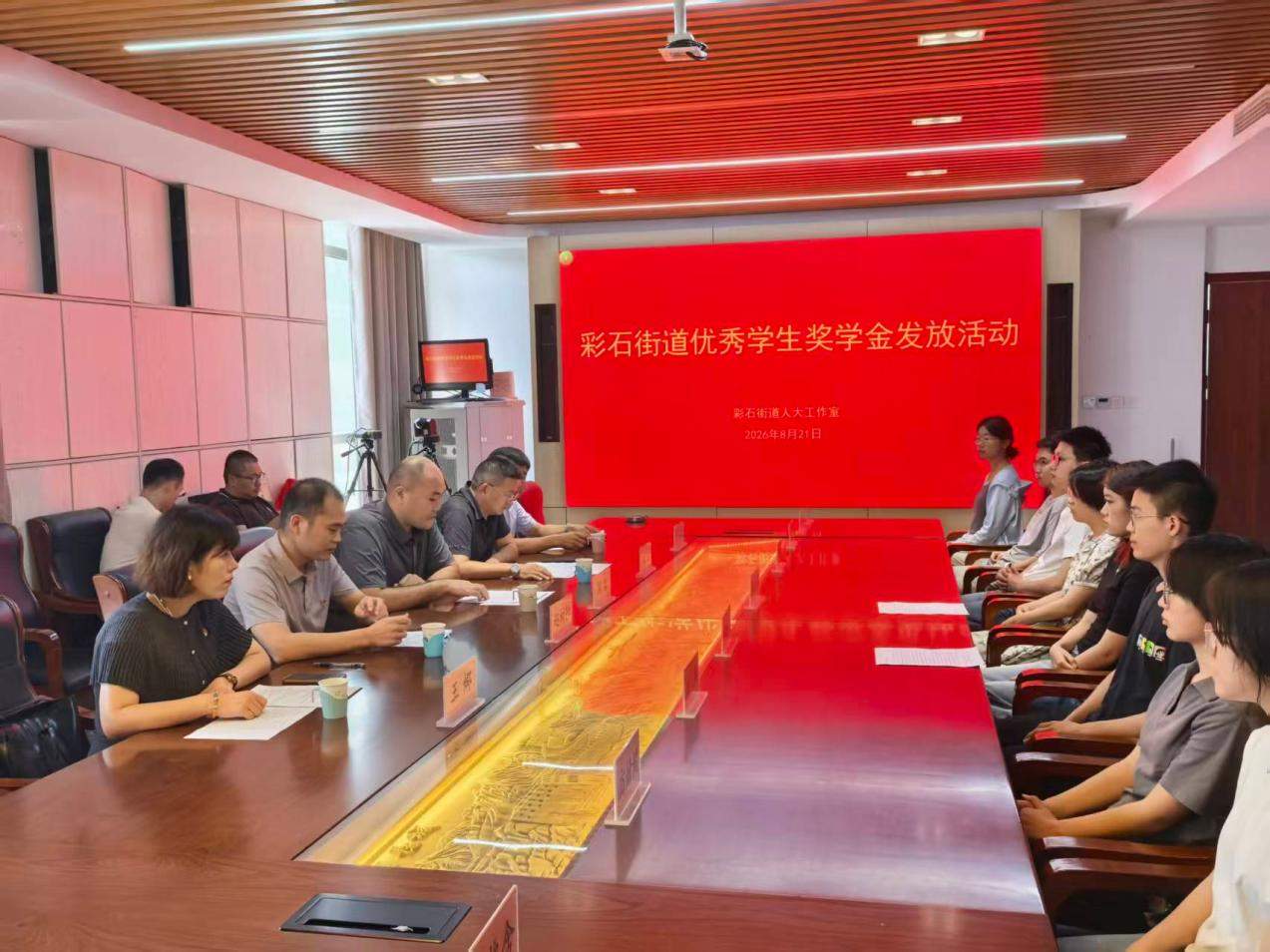 本次奖学金善款出自舜泰检测集团向山东省泉城志愿服务基金会捐赠的10万元。基金会经研究决定,从中拨付2.7万元用于激励彩石街道2026级优秀准大学生。 自2016年起,舜泰检测科技集团有限公司便通过捐献物资、学习用品、“希望小屋”,走访苦难儿童等多种形式投身爱心助学项目,累计投入资金7万余元,惠及众多学子。 资助学生代表,考入山东大学的张瑞泽和考入中国农业大学的张心茹分别发言。张心茹说:"这笔3000元的奖学金不仅减轻了家里的开学负担,更让我觉得自己的努力被家乡看见了。
B | 我一定在大学里学好专业,将来回来建设彩石。"张瑞泽也表示,将在大学期间刻苦学习、锤炼本领,不负家乡和企业的关爱与期望。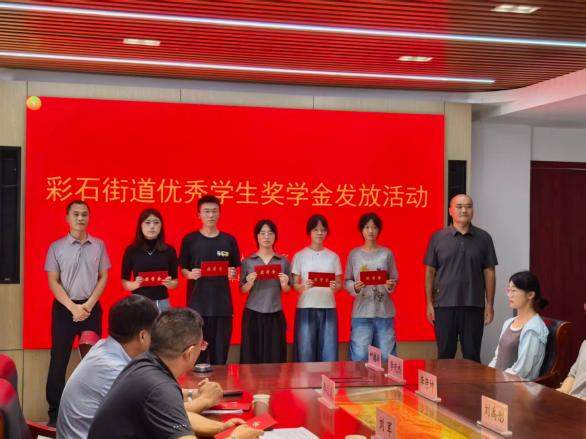
 。
。
Current article:http://9t4n.foujiongwenruapoumeizhan.buzz/list_dtt6sm/ajkan00.html
Published on:18:04:20